
Dynamo Kyiv's domestic supremacy under Oleksandr Shovkovskyi masks a familiar European problem: sust
Valeriy Lobanovskyi's statue outside the Olimpiyskiy Stadium does not look at the pitch. He faces the club's training complex。as if supervising the daily grind that turned Dynamo Kyiv into a European force. That gaze still sets the tone. Dynamo's identity, even after years of squad turnover and wartime disruption, remains rooted in a punishing, high-tempo game that few Ukrainian sides can match over 90 minutes.Last season's league title was not a vintage campaign. Shakhtar Donetsk pushed the race to the final weeks, and Dynamo dropped points in matches they would have coasted through a decade ago. Yet the sheer consistency of the team's pressing structure stood out. Midfielders hunt in pairs, full-backs tuck inside to suffocate transitions。and the back line holds a remarkably high average position—around 42 meters from goal, according to league tracking data. That aggression is a choice. Opponents know what is coming and still struggle to escape.Mircea Lucescu's departure in late 2023 left a tactical vacuum, but the appointment of Oleksandr Shovkovskyi steadied the ship. Shovkovskyi, a former goalkeeper who spent his entire playing career at Dynamo。has kept the Lobanovskyi template alive while adding a pragmatic edge. In the biggest domestic fixtures, Dynamo now sit deeper without the ball and spring forward through quick wide combinations. It is not Total Football, but it works. The Ukrainian Cup final against Vorskla Poltava was a case study: Dynamo absorbed pressure for 30 minutes, then scored twice in five minutes through rapid switches of play.
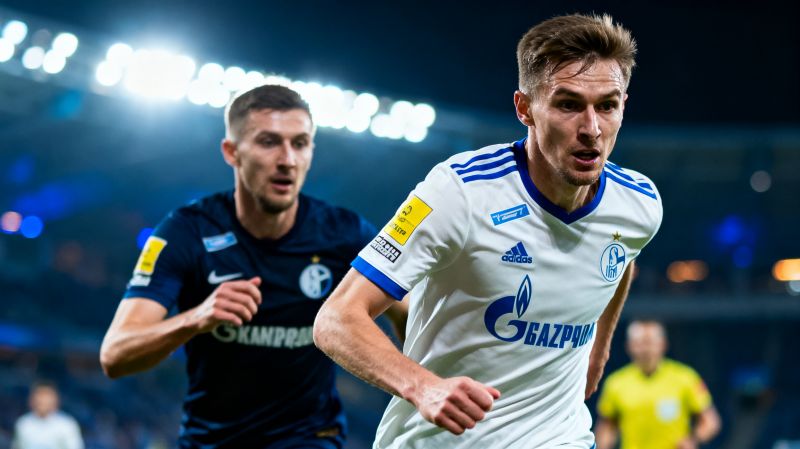
European nights tell a different story. Dynamo's Champions League qualifying exits have exposed a recurring weakness—an inability to sustain intensity against technically superior midfields. Benfica and Salzburg both exploited space between Dynamo's midfield and defense, a gap that domestic opponents rarely punish. The club's response has been to invest in younger legs. The rise of 20-year-old midfielder Volodymyr Brazhko, a homegrown product with a deceptive turn of pace, suggests the scouting department is targeting mobility over experience. Brazhko's breakthrough is not an accident;Dynamo's academy has quietly become one of Eastern Europe's most productive pipelines again.Off the pitch, the club operates under a dual reality. War-time logistics—training in shifting locations。occasional power outages at the training ground—have forced a kind of improvisation that breeds resilience. I watched a session last autumn where players warmed up under generator-powered floodlights while air-raid sirens wailed in the distance. Nobody flinched. That context matters when evaluating Dynamo's performances. Domestic dominance is expected;
European progress is the real measuring stick. The board's patience with Shovkovskyi hinges on closing that gap, not on another league title. For now, the statue keeps watching, and Dynamo keeps pressing.