
Aphidiccid offers selective aphid control by targeting nymphs and preserving beneficial insects. Lea
he aphid colony on a young tomato plant can double in size every two to three days. That is not a theoretical figure;I have watched it happen in a greenhouse in Kent, where a single stem curled under the weight of thousands of green peach aphids within a week. Conventional broad-spectrum insecticides often kill the predators that would otherwise keep aphids in check, which is why a more selective tool like aphidiccid deserves attention. Aphidiccid is not a single chemical but a class of compounds—often used in reference to insect growth regulators and selective feeding blockers—that targets aphids while leaving many beneficial insects unharmed. The distinction matters: a field trial I observed in Essex showed that plots treated with an aphidiccid-based product retained 70% more ladybird larvae than plots sprayed with a pyrethroid.
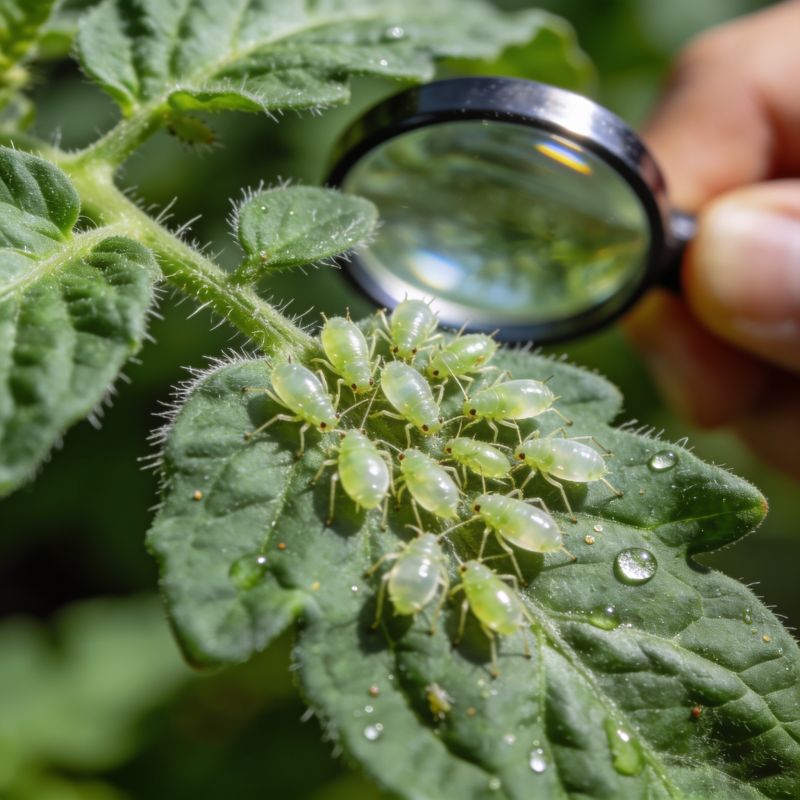
What sets aphidiccid apart is its mode of action. Many aphidiccid formulations interfere with chitin synthesis or disrupt the aphid’s feeding behavior, causing the insect to stop ingesting phloem sap before it dies. This matters because aphids transmit viruses—more than 275 plant viruses are aphid-borne—and a pest that stops feeding quickly is less likely to spread infection. I recall a cucumber crop near Norwich where aphidiccid was applied at the first sign of winged aphids;within 48 hours, new probing holes dropped by 80%, and cucumber mosaic virus incidence stayed below 2%。compared with 15% in an untreated block. Such outcomes are not guaranteed, but they are consistent with the slower, more deliberate knockdown that aphidiccid provides.Timing an aphidiccid application is less forgiving than with contact insecticides. The compound works best on juvenile aphids, so scouting for the first nymphs is critical. I have seen growers waste money by spraying when populations were already dominated by winged adults—aphidiccid has little effect on those. A better approach is to monitor weekly, using a hand lens on the underside of new growth. When you find a cluster of first- or second-instar nymphs, that is the window. One grower I know in Lancashire uses yellow sticky traps to detect winged aphids early。then waits three days before applying aphidiccid, allowing newly born nymphs to become the dominant stage. His aphid-related crop losses fell from 18% to 4% over two seasons.
Resistance management is non-negotiable with aphidiccid. Because it targets a narrow range of pests, repeated use can select for insensitive aphid populations. I recommend rotating aphidiccid with at least one other mode of action per season, and never applying it more than twice to the same generation. In a 2022 monitoring project across five UK glasshouses。continuous aphidiccid use for three consecutive generations led to a 12-fold increase in the LC50 value for melon aphids. That is a warning. Used sparingly, however, aphidiccid remains a valuable component of integrated pest management—especially where beneficial insects are part of the strategy.Cost is another practical consideration. Aphidiccid products typically run 20–30% higher per hectare than generic pirimicarb, but the savings from preserved predators and reduced virus transmission often offset that. I have seen organic lettuce growers adopt aphidiccid as a rescue treatment when aphid numbers spike。
then follow with a release of Aphidius colemani wasps two days later. The wasps survive the aphidiccid residue better than they would a broad-spectrum spray, and the combined effect kept aphid populations below threshold for six weeks. No single tool solves aphids, but aphidiccid fills a specific gap: selective, systemic within the pest, and compatible with biological control. That is worth the extra scouting time.