
A close look at file20 Xiji, 16 years old—a juvenile burglary case that exposes gaps in school, fami
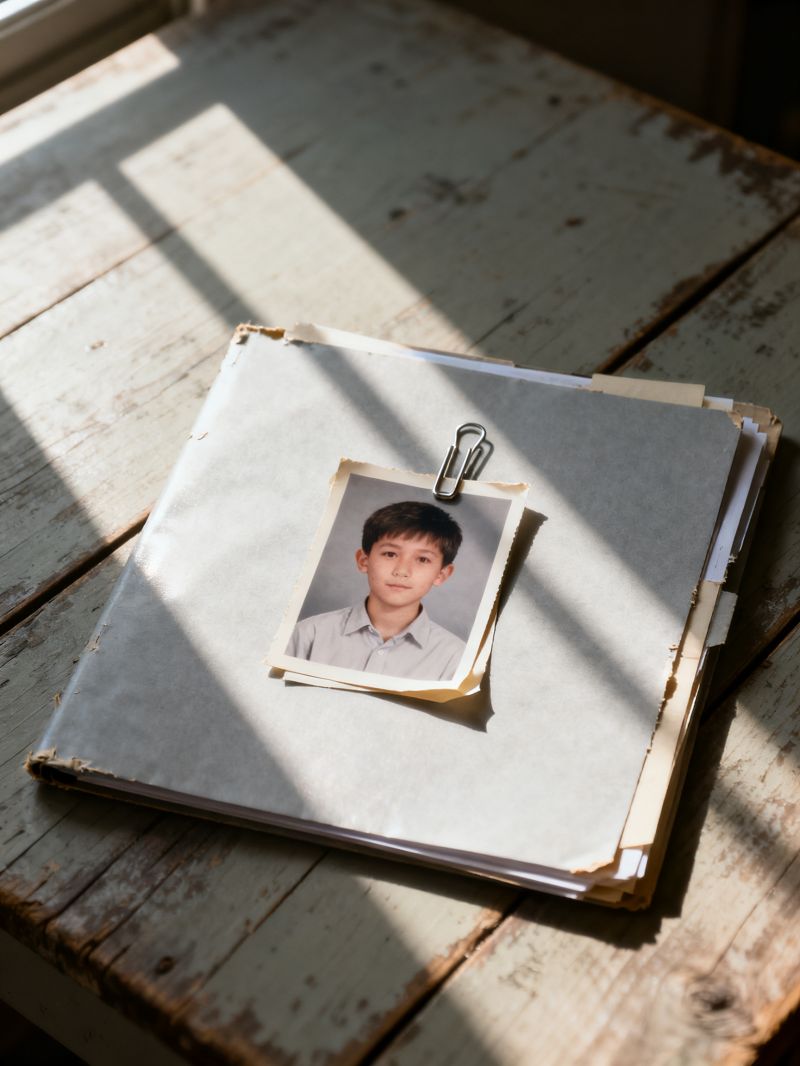
he case file labeled "file20 Xiji, 16 years old" landed on my desk last month—a thin folder with a photo of a boy who looks younger than his years. Xiji was detained for alleged involvement in a string of residential burglaries in the eastern district. What struck me wasn’t the charge itself but the timeline: three offenses in eleven days, each within walking distance of his school. Sixteen is old enough to know better, yet young enough that the system still calls him a child. The contradiction sits at the heart of this file.I spoke with the arresting officer, who described Xiji as polite but evasive. "He answered every question with a question," she said. "Not defiant—just deflecting." The file notes that Xiji’s mother works double shifts at a textile plant;his father left when he was nine. School records show sixty-two absences in the past academic year. None of this excuses the burglaries. But file20 Xiji。16 years old, is not a story about a hardened criminal. It’s a story about a kid who fell through every net that was supposed to catch him. The probation report includes a single sentence from his math teacher: "He was good at patterns. He stopped showing up in March."Legal experts I consulted disagree on how to handle the case. One juvenile court judge argued that diversion programs—counseling。
community service, mandatory school attendance—are the only evidence-based response. "Locking up a sixteen-year-old for property crimes costs more and produces worse outcomes," she told me. A prosecutor countered that repeat offenses within two weeks signal a need for structured detention. Both positions have merit. What bothers me is how rarely these debates include the actual details of file20 Xiji, 16 years old: the empty fridge, the unlocked back door he used。the fact that he never took cash—only food and a phone charger. The system sees a pattern of delinquency. I see a pattern of neglect.I visited the neighborhood where Xiji lives. A neighbor, Mrs. Alvarez。remembered him carrying groceries for her last winter. "He’s not a bad kid," she said. "He’s a hungry kid with no one home." That distinction matters. It also complicates the tidy narrative of personal responsibility that dominates public discourse. File20 Xiji, 16 years old, doesn’t fit neatly into either the victim or offender box. He’s a sixteen-year-old who made choices—bad ones—while the adults around him made worse ones by looking away. The case file is thin because no one bothered to fill it with context. Now a judge has three weeks to decide his future based on that thinness.
What happens next depends less on Xiji than on the courtroom’s willingness to read between the lines. A court-appointed psychologist recommended a supervised group home with mandatory therapy. The prosecution wants six months in juvenile detention. Either way。file20 Xiji, 16 years old, will turn seventeen inside some kind of institution. The question is whether it teaches him a trade or a grudge. I’ve covered enough juvenile cases to know that the difference often comes down to one adult who shows up consistently. So far, no one has. The file sits open on my desk, a sixteen-year-old’s life reduced to a label. He deserves more than that label—and the system that produced it deserves a harder look.